Watercolor Flowers in Handbag Clipart Review
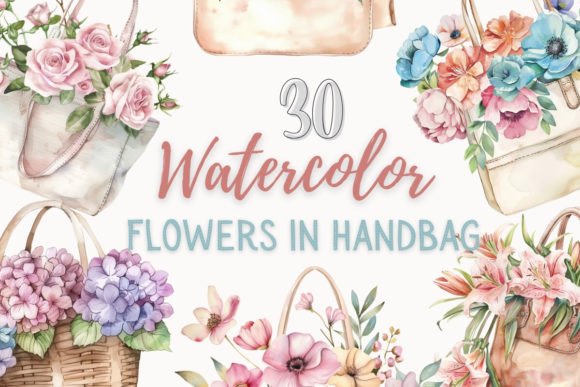
When evaluating digital assets for physical production, the gap between a screen preview and a stitched reality is where most projects succeed or fail. As a designer who regularly bridges the divide between digital illustrations and tangible goods, I approached the Watercolor Flowers in Handbag Clipart with a critical eye. This asset falls under the Illustrations category, but for makers and small business owners, its true value lies in its translatability to thread. My immediate impression was one of soft elegance; the design possesses a romantic, vintage aesthetic that feels current without being trendy. However, translating watercolor gradients into machine embroidery requires careful consideration of stitch density and fabric interaction.
Translating Digital Softness to Thread
The visual personality of this clipart is defined by fluid edges and blended tones. In a digital mockup, this creates a dreamy effect. For an embroidery project, however, we must assess how these soft transitions will render in satin stitch or fill stitch areas. The layout suggests a natural focal point, making it ideal for centered placements rather than all-over patterns. When I visualize this as a finished product, I see it shining on light-colored, smooth-textured fabrics where the thread sheen can mimic the luminosity of watercolor paint. The shape is organic, which is forgiving during hooping but demands precise digitizing to maintain those delicate petal definitions once the needle hits the fabric.
Real-World Application: The Custom Tote Bag Test
To truly judge this asset, I mentally prototyped a specific scenario: creating a premium botanical tote bag for a boutique client. Tote bags are a staple for Etsy sellers and craft businesses because they offer a generous canvas for detailed work. Using Watercolor Flowers in Handbag Clipart as the centerpiece for a natural cotton canvas tote presents both opportunities and challenges. The design’s intricate floral details would elevate a basic bag into a personalized gift or high-margin retail item. However, canvas has a distinct weave. If the stitch density in the file is too loose, the fabric texture will show through, breaking the watercolor illusion. Conversely, if the density is too high to compensate for the weave, the bag could become stiff and pucker around the hoop marks.
In this real-life application, I would treat this as a potential applique design foundation or a complex fill stitch composition. If using it for direct embroidery, testing on scrap canvas is non-negotiable. The goal is to ensure the flowers look painted rather than pixelated. For a sweatshirt embroidery project, the considerations shift entirely. Fleece absorbs stitches, so the fine lines typical of watercolor art might disappear. Here, the design would need bold outlines or increased spacing to remain legible against the fuzzy texture of apparel.
Navigating Fabric Limitations and Hoop Constraints
Not every substrate is a friend to watercolor-style embroidery. While this clipart is versatile, there are specific environments where caution is required:
- Stretchy Fabrics: On jersey knits or performance wear, the weight of dense floral fills can cause sagging. Proper stabilizer selection is critical here to prevent distortion.
- Dark Fabrics: Watercolor relies on light passing through color. On black or navy backgrounds, the design loses its inherent transparency unless you plan to use a white underlay base, which changes the hand-feel of the garment.
- Small Hoop Sizes: Reducing this design to fit a 4x4 hoop may compromise the delicate shading. Fine details often merge when scaled down significantly. Always check the minimum recommended size before resizing.
- Curved Surfaces: Caps and sleeves present alignment challenges. The organic flow of these flowers works best on flat surfaces like pillow covers, tea towels, or apron fronts.
- Frequent Washing: Baby embroidery and kitchen linens endure harsh laundering. Ensure the stitch type secures the edges adequately so the "watercolor" effect doesn't unravel after three wash cycles.
Commercial Viability and Brand Perception
For creative entrepreneurs and digital product sellers, the utility of Watercolor Flowers in Handbag Clipart extends beyond personal crafting. It serves as a powerful asset for printable mockups and listing photos. A clean, professional presentation builds customer trust. When buyers see a polished digital preview that accurately represents the potential of the embroidery file, conversion rates improve. However, brand consistency is key. This design carries a specific feminine, artisanal mood. It pairs beautifully with serif fonts and muted palettes but might clash with neon colors or industrial aesthetics.
If you are selling finished products, this design adds perceived value. Customers recognize the complexity of floral embroidery and associate it with higher craftsmanship. For those selling the digital embroidery file itself, providing clear notes on recommended fabrics and thread colors enhances the buyer experience. It reduces support tickets from frustrated users who tried stitching a delicate watercolor flower on terry cloth without adequate stabilization. Professionalism in this niche means guiding your customer toward success, not just selling a file.
Essential Pre-Stitch Checklist for Makers
Before committing this design to a final handmade product or commercial run, run through this practical evaluation list. These steps separate hobbyist attempts from professional results:
- Verify Licensing: Confirm whether your purchase allows for commercial embroidery, digital resale, or only personal use. Never assume rights based on the image alone.
- Test Stitch Density: Run a sample on your intended fabric. Check if the watercolor shading translates smoothly or if there are gaps/puckering.
- Contrast Check: View the design in grayscale. If the flowers lose definition without color, the digitizing may rely too heavily on hue rather than value contrast.
- Stabilizer Match: Pair the design weight with the correct backing. Cut-away for stretchy apparel, tear-away for stable woven tote bags, and wash-away for sheer fabrics.
- Thread Color Validation: Watercolor effects often require variegated threads or multiple shade changes. Verify your machine can handle the color stops efficiently.
- Mockup Accuracy: If creating digital previews, ensure the mockup reflects realistic stitch texture, not just a flat vector overlay.
Final Thoughts on Design Integrity
Watercolor Flowers in Handbag Clipart offers a beautiful starting point for makers seeking to add artistic flair to their inventory. Its strength lies in its emotive quality and versatility across categories like nursery decor, holiday gifts, and boutique apparel. Yet, its success depends entirely on the maker's willingness to respect the technical limitations of translating paint to thread. By approaching this illustration with a tester’s mindset—validating hoop size, respecting fabric texture, and prioritizing stitch clarity—you transform a pretty digital image into a durable, sellable, and cherished embroidered treasure. Whether you are an Etsy seller expanding your catalog or a hobbyist making a wedding gift, let practical judgment guide your needle.