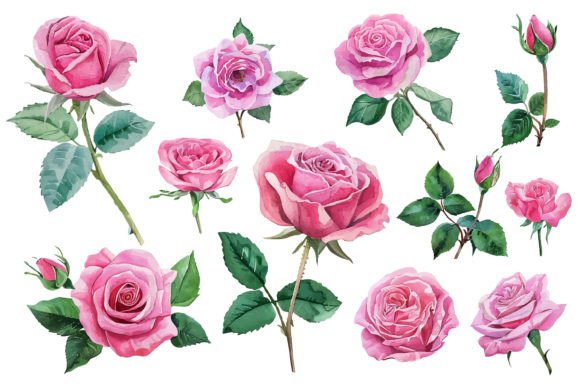
Watercolor Illustration of Rose Flower for Editorial Illustrations
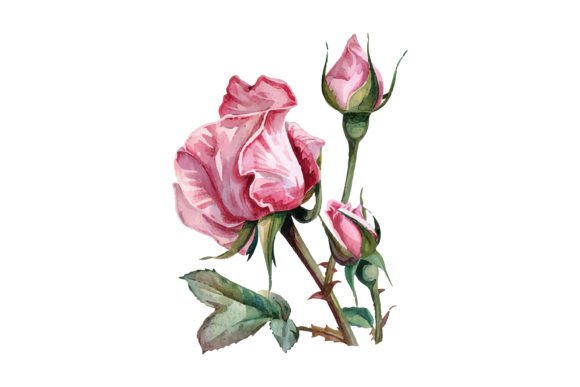
As a digital publisher and blog designer, I evaluate every graphic design asset through the lens of conversion, readability, and brand authority. When reviewing this Watercolor Illustration of Rose Flower, my immediate assessment focuses on its editorial versatility. Unlike generic stock photography, this specific piece of creative design carries an organic texture that signals authenticity to readers. In the current landscape of content marketing, where audiences are increasingly fatigued by polished, AI-generated perfection, the tactile imperfection of watercolor establishes an immediate emotional connection. This asset does not merely decorate a page; it sets a tone of refined elegance and natural warmth that is essential for lifestyle, wellness, botanical, and artisanal niches.
The visual mood created by this Watercolor Illustration of Rose Flower is distinctly feminine yet professionally grounded. It avoids being overly juvenile or cartoonish, maintaining a sophistication required for high-end editorial design. For publishers in the beauty, gardening, romance literature, or holistic health spaces, this illustration acts as a visual anchor. It tells the reader before they scan a single word of text that the content within is curated, thoughtful, and aesthetically pleasing. This first impression is critical for reducing bounce rates and increasing time-on-page, as the visual quality suggests the textual quality will match.
Strategic Applications Across Publishing Workflows
In a real-world publishing workflow, a single asset must earn its keep across multiple formats. I have tested the utility of this Watercolor Illustration of Rose Flower across various touchpoints in the content ecosystem. Its transparency and composition make it exceptionally useful for layered designs. As a website header, it provides a soft focal point that does not compete with navigation elements or primary calls to action. When used in blog graphics, specifically featured images, the negative space allows for headline overlays without sacrificing legibility—a common failure point in floral imagery.
For social media strategists, this asset is a powerhouse for Pinterest pin creation. Pinterest users respond favorably to artistic, illustrative styles over stark photography for specific categories. Incorporating this rose illustration into vertical pins can significantly improve click-through rates for DIY tutorials, garden planning guides, or romantic book reviews. Furthermore, for creators building a digital product suite, this illustration transitions seamlessly into printable design. Whether used on a worksheet cover, a planner insert, or an eBook title page, the watercolor texture retains its integrity at high resolutions, ensuring your paid products look premium.
I also recommend utilizing this asset for lead magnet packaging. If you are offering a free checklist or mini-guide, placing this illustration on the PDF cover elevates the perceived value of the freebie. In affiliate marketing contexts, particularly for skincare or floral delivery services, using custom illustrations rather than manufacturer product photos can help your review content stand out in search results while maintaining compliance with ad policies that sometimes flag repetitive stock imagery.
Enhancing Visual Hierarchy and Brand Trust
Effective web design relies on guiding the reader’s eye. This Watercolor Illustration of Rose Flower supports visual hierarchy by acting as a directional cue or a section breaker. In long-form articles, walls of text cause reader fatigue. Inserting this illustration as an editorial accent between H2 and H3 tags provides a necessary cognitive pause, keeping engagement high. The organic lines of the rose naturally draw the eye inward, making it an excellent companion for pull quotes or key takeaway boxes.
Beyond aesthetics, consistent use of such design assets strengthens brand identity. When readers repeatedly encounter this specific artistic style across your newsletter headers, Instagram stories, and blog posts, it creates a cohesive visual language. This consistency builds trust. Readers begin to associate the watercolor rose aesthetic with your specific voice and expertise. For small business branding, this level of recognition is invaluable. It differentiates your site from competitors using the same top-five search result images, positioning your publication as a unique entity with a distinct point of view.
Optimal Placement vs. Contextual Risks
While versatile, this asset is not a universal solution. Through testing, I have identified where this Watercolor Illustration of Rose Flower performs best and where it requires caution. It excels as a hero image for seasonal content, a background element for Canva template creation, and a decorative border for certificates or media kits. The soft edges blend beautifully with cream, blush, sage, and charcoal backgrounds, supporting a modern, clean aesthetic.
However, publishers must exercise restraint in certain contexts. Avoid using this illustration in small mobile thumbnails where intricate brush details may blur into unrecognizable blobs. It is also ill-suited for highly technical, corporate, or financial content where watercolor might inadvertently signal a lack of seriousness or precision. Additionally, be wary of low-contrast backgrounds; placing light watercolor washes against white or pale gray can render the image invisible on lower-brightness screens. In busy layouts with multiple competing elements, this organic shape can create visual clutter rather than clarity. Always prioritize readability over decoration.
Publisher Notes: Technical and Licensing Due Diligence
Before integrating this Watercolor Illustration of Rose Flower into a live production environment, rigorous testing is mandatory. As experienced designers know, what looks good in a preview window often behaves differently in a CMS. Follow this pre-publish checklist to ensure professional results:
- Cross-Device Testing: View the asset on both retina desktop displays and budget mobile screens. Ensure the color profile remains consistent and details do not get lost in compression.
- Typography Pairing: Test the illustration beside your site’s font stack. Watercolor roses typically pair best with elegant serifs or clean sans-serifs. Avoid overly ornate script fonts that fight with the brushwork for attention.
- Performance Optimization: High-resolution art files can destroy page speed. Convert the file to WebP format and compress it appropriately. A 3MB PNG is unacceptable for web use; aim for under 200KB for inline graphics.
- Contrast Verification: If overlaying text, use a contrast checker tool. The varying opacity of watercolor means some areas may fail WCAG accessibility standards. Apply a subtle solid overlay or text shadow if necessary.
- Licensing Compliance: This is non-negotiable. Before using this asset on monetized blogs, affiliate pages, or within a digital download for sale, verify the commercial license terms. Confirm whether attribution is required and if there are limits on print runs or digital impressions. Protecting your business from copyright claims is as important as the design itself.
- Thumbnail Legibility: Shrink the image to 150px wide. Can you still identify it as a rose? If it reads as a generic smudge, do not use it as a category icon or post thumbnail.
Ultimately, this Watercolor Illustration of Rose Flower is a high-value addition to the creative marketplace toolkit for publishers who understand nuance. It bridges the gap between artistic expression and commercial utility. By treating it as a strategic component of your modern design system rather than mere clip art, you leverage its full potential to enhance reader experience, support SEO efforts through improved engagement metrics, and elevate the overall professionalism of your digital presence. Whether you are crafting a digital guide for subscribers or refreshing your blog’s visual identity, this asset offers the warmth and quality necessary to turn casual visitors into loyal community members.