Watercolor Spider Lily Floral Frame Review
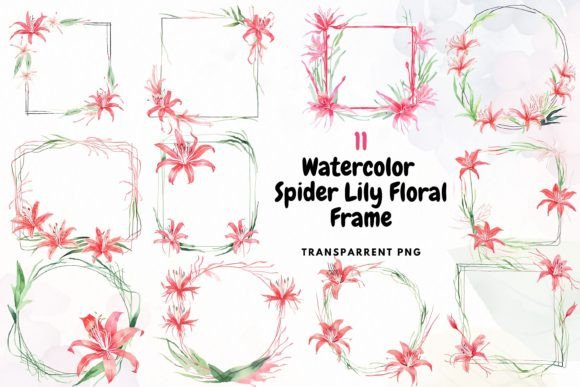
As a professional embroidery designer who constantly evaluates digital assets for commercial viability, I approach every new machine embroidery design with a critical eye. It is not enough for an illustration to look beautiful on a screen; it must translate into thread without losing its soul. When I first opened the Watercolor Spider Lily Floral Frame, I was immediately struck by the delicate balance between organic fluidity and structural framing. Unlike rigid geometric borders, this design offers a soft, botanical enclosure that feels alive. The spider lily, with its distinctive curling petals and long stamens, brings a moody elegance that separates it from generic floral clips. For makers and Etsy sellers, this specific aesthetic bridges the gap between vintage nostalgia and modern botanical trends, making it a versatile asset for various handmade products.
First Impressions and Artistic Mood
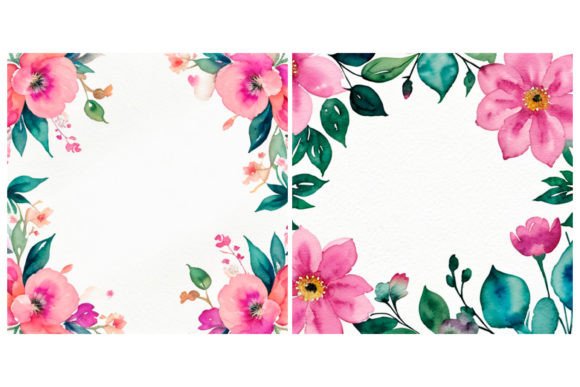
The visual personality of the Watercolor Spider Lily Floral Frame leans toward ethereal and romantic, yet it possesses enough edge to avoid looking overly saccharine. In the context of Illustrations, watercolor styles are notoriously difficult to digitize effectively because they rely on color blending rather than distinct lines. As a reviewer, my primary concern was whether the embroidery file captures that painterly effect or if it defaults to heavy, blocky fills that destroy the watercolor illusion. This design appears to utilize a thoughtful combination of running stitch outlines and lighter fill stitch areas to mimic brush strokes. The layout creates a natural negative space in the center, which is crucial for monogramming or custom text. It does not feel like a clip-art paste job; rather, it feels like a cohesive composition intended specifically for needle and thread.
Real-World Application: Stitching a Custom Tote Bag
To truly evaluate this asset, I mentally placed it into a current client project: a series of premium canvas tote bags for a boutique wedding favor line. The client wanted something that felt personal and artistic, not mass-produced. The Watercolor Spider Lily Floral Frame is an ideal candidate for this tote bag design because the frame shape naturally guides the eye toward the center, where the couple’s initials would be placed. Canvas is a textured fabric, which can sometimes eat up fine details. However, the slightly bolder nature of the spider lily stems provides enough visual weight to stand out against the weave of the canvas without requiring excessive stitch density.
In this scenario, I envision using variegated threads for the floral elements to enhance the watercolor effect, while keeping the inner border subtle to ensure legibility of the personalized text. The resulting finished product would have a high perceived value, justifying a higher price point for the craft business. Customers respond to designs that look hand-painted, and this frame achieves that tactile quality. Furthermore, because the design acts as a border rather than a full-cover image, it leaves ample room for branding tags or additional small motifs, maximizing the utility of the hoop area.
Fabric Compatibility and Technical Caution Zones
While the Watercolor Spider Lily Floral Frame is versatile, it demands respect regarding fabric choice and stabilization. As with any design featuring intricate floral details, performance varies significantly across different substrates. Here are practical considerations for real-world use:
- Stretchy Fabrics: If applying this to a sweatshirt or baby onesie, you must use appropriate stabilizer. The open nature of the frame means there is less structural support from the stitches themselves compared to a solid logo. Without adequate backing, the watercolor effect could distort during washing.
- Dark vs. Light Fabrics: Watercolor effects typically rely on the fabric showing through lighter thread layers. On dark fabrics, this design may require a white underlay base to maintain color accuracy. Always test thread colors against your specific garment color before committing to a production run.
- Textured Surfaces: On terry cloth towels or fleece blankets, the fine details of the spider lily stamens might get lost. Consider increasing the spacing or simplifying the smallest elements if your target product has a high pile.
- Small Hoop Sizes: Be cautious when resizing down. Reducing a complex floral frame too much can cause satin stitch columns to become too narrow, leading to thread breaks or a loss of definition. Verify the minimum safe size before stitching on 4x4 hoops.
Elevating Brand Value and Customer Trust
For Etsy sellers and creative entrepreneurs, the choice of design assets directly impacts brand perception. Using the Watercolor Spider Lily Floral Frame signals a commitment to aesthetics that goes beyond basic crafting. When customers see a well-executed watercolor embroidery piece, they associate the product with artistry and care. This is particularly relevant for personalized gift markets, such as bridal showers or anniversary presents, where emotional resonance drives sales. A clean, professional stitch-out of this frame enhances buyer engagement because it looks intentional and curated.
Moreover, consistency builds trust. If you are building a collection of nursery decor or baby embroidery items, this frame can serve as a recurring motif that ties your shop together. Its gender-neutral botanical theme allows it to work across various demographics. However, professionalism also means ensuring your digital embroidery file is optimized. A design that causes puckering or registration errors will damage your reputation faster than any marketing can build it. Treating this illustration as a premium component of your inventory ensures that every custom apparel piece or home good reflects the quality your customers expect.
Essential Designer Notes for Success
Before adding the Watercolor Spider Lily Floral Frame to your next production schedule or listing it as part of a commercial embroidery offering, adhere to these best practices to ensure success:
- Always Test Stitch: Never assume a digital preview equals reality. Stitch the design on scrap fabric that matches your final project's weight and texture. Check for gaps between outline and fill stitches.
- Verify Licensing: Confirm whether your purchase includes commercial rights for selling physical finished products versus digital files. Understanding these terms protects your business.
- Mockup Strategy: Use printable mockups to visualize the design on different colored backgrounds before stitching. This helps in selecting the right thread palette and predicting contrast issues.
- Check File Specifications: Since specific stitch counts and formats vary, always inspect the included documentation. Ensure the hoop size requirements match your machine’s capabilities.
- Thread Selection Matters: For true watercolor depth, consider using matte threads or blending multiple shades. Standard high-sheen rayon might make the design look too plastic-like, detracting from the illustrative style.
- Evaluate Washability: If creating tea towels or aprons, wash-test your sample. Watercolor styles often use longer satin stitches that can snag. Ensure the design holds up to the intended lifecycle of the product.
The Watercolor Spider Lily Floral Frame represents a sophisticated option for embroiderers looking to add artistic flair to their repertoire. By understanding its technical requirements and best-use scenarios, you can transform this digital illustration into tangible, profitable, and beautiful handmade goods. Whether you are designing for a boutique brand or creating a cherished heirloom, this design offers the perfect blend of structure and organic beauty when executed with professional care.