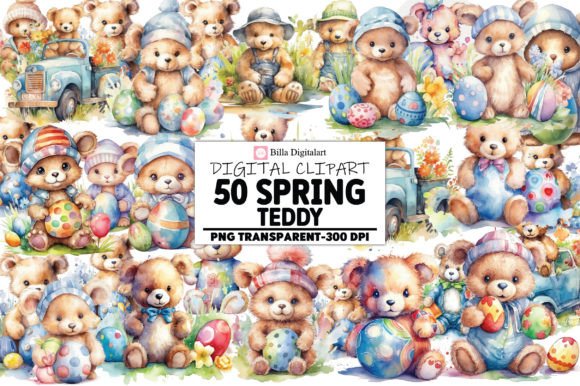
Watercolor Spring Teddy Bear Clipart Bun Illustrations
As a digital publisher and blog designer, my first interaction with any new graphic design asset is strictly editorial. I am not just looking for something cute; I am evaluating whether the visual can carry the weight of a content strategy. When reviewing the Watercolor Spring Teddy Bear Clipart Bun, the immediate impression is one of soft nostalgia mixed with modern clarity. This is not merely a decorative element; it is a mood setter that signals warmth, safety, and seasonal transition to the reader before they even process the headline.
In the context of real website publishing, this asset establishes a specific feminine and lifestyle-focused tone. It feels handcrafted yet polished enough for professional use. For content creators in niches like parenting, early childhood education, spring fashion, or cozy lifestyle blogging, these illustrations bridge the gap between personal authenticity and commercial polish. The watercolor texture adds organic depth that flat vector art often lacks, creating a tactile sense of quality that subconsciously increases reader trust and dwell time.
Elevating Featured Images and Pinterest Strategy
The most critical test for any blog graphic is its performance as a featured image and a Pinterest pin. In my workflow, I need assets that maintain integrity when cropped into various aspect ratios. The Watercolor Spring Teddy Bear Clipart Bun excels here because the composition allows for flexible placement. Unlike complex scenes where the subject gets lost in a vertical crop, this clipart provides a distinct focal point that anchors social media graphics effectively.
When designing Pinterest pins for affiliate marketing or seasonal guides, this asset serves as an emotional hook. Users scrolling through feeds are drawn to high-contrast, emotionally resonant imagery. By pairing this teddy bear illustration with bold sans-serif typography and a pastel background, you create a clickable visual promise. It tells the user exactly what to expect: gentle advice, seasonal inspiration, or family-friendly resources. This direct correlation between visual mood and content expectation is vital for improving click-through rates in competitive creative marketplaces.
Application in Digital Products and Lead Magnets
Beyond standard blog posts, I frequently assess how well a design asset translates to monetizable digital products. The Watercolor Spring Teddy Bear Clipart Bun is particularly strong for printable design and educational resources. If you are creating a spring-themed activity pack, a nursery decor guide, or a parenting eBook, this illustration adds perceived value without requiring custom commission work.
- Digital Guides: Use the bear as a recurring mascot throughout a PDF to create visual continuity and brand recognition.
- Lead Magnets: Feature the clipart on checklist covers or worksheet headers to make freebies feel premium and intentional.
- Canva Templates: Incorporate the asset into pre-made templates for small business branding, allowing clients to easily customize seasonal content.
- Newsletter Headers: Soften promotional emails by placing the illustration beside text-heavy updates to reduce visual fatigue.
For online educators and affiliate marketers, consistency is key. Using this specific style of watercolor illustration across your website header, email signatures, and product covers creates a cohesive visual identity. Readers begin to associate this specific artistic style with your brand voice, which strengthens loyalty over time.
Editorial Layouts and Visual Hierarchy
Effective web design relies heavily on visual hierarchy to guide the reader’s eye. The Watercolor Spring Teddy Bear Clipart Bun functions beautifully as an editorial accent rather than just a standalone hero image. In long-form articles, large blocks of text can cause bounce rates to spike. Breaking up content with relevant illustrations re-engages the brain and improves readability scores.
I recommend using this asset to highlight pull quotes, introduce new sections in a tutorial, or decorate sidebar widgets. Because the watercolor edges are soft, they blend seamlessly into white or cream backgrounds without creating harsh visual borders. This makes it ideal for modern design aesthetics that prioritize whitespace and clean lines. However, it also holds its own against textured paper backgrounds for a more vintage, scrapbook-style editorial look.
Strategic Placement and Usage Boundaries
While versatile, this graphic design asset requires strategic deployment to maintain professionalism. It works best in hero images, category thumbnails for "Family" or "Seasonal" sections, and social media previews where emotion drives engagement. It is less effective in contexts requiring corporate authority or technical precision.
Publishers should exercise caution when using this asset in small mobile thumbnails where fine watercolor details may blur. Avoid placing it on busy, patterned backgrounds that compete with the delicate brushwork. Furthermore, if your site covers serious topics within the parenting or health niche, ensure the playful nature of the teddy bear does not undermine the gravity of the text. Balance is essential; the illustration should support the narrative, not distract from it.
Technical Publisher Notes for Web Performance
A beautiful illustration is useless if it slows down your site or violates licensing terms. Before integrating the Watercolor Spring Teddy Bear Clipart Bun into your live environment, run through this practical checklist to ensure optimal performance and legal compliance.
- Contrast Testing: Always preview the asset with your intended headline fonts. Test against both serif and script fonts to ensure legibility. The soft colors of watercolor can sometimes reduce contrast ratios, so verify accessibility standards.
- File Optimization: Watercolor textures can result in large file sizes. Compress the PNG or JPG properly before uploading. Aim for under 100KB for inline graphics and under 200KB for featured images to maintain fast load times.
- Licensing Verification: Confirm the commercial license specifically covers your intended use. If you plan to sell Canva templates or physical products featuring this bear, ensure the license permits derivative commercial design. Standard personal licenses often do not cover resale or template creation.
- Cross-Device Preview: View the asset on a desktop monitor, a tablet, and a smartphone. Colors shift between screens, and sizing issues often appear only on mobile. Ensure the bear remains recognizable at 50% scale.
- Typography Pairing: Test the illustration beside your primary body font. Handwritten elements pair well with clean sans-serifs but can clash with ornate display fonts. Let the illustration be the decorative element while keeping type readable.
Final Thoughts on Content Marketing Value
In the saturated landscape of digital publishing, generic stock photography often fails to convert. Audiences crave authenticity and specific aesthetic cues that signal relevance. The Watercolor Spring Teddy Bear Clipart Bun offers a targeted solution for creators who need to evoke warmth and seasonality without sacrificing professional polish.
Whether you are building a lead magnet to grow your email list, designing affiliate content for spring sales, or simply refreshing your blog graphics for the new season, this asset provides a reliable foundation. It supports stronger visual communication by aligning emotional tone with editorial intent. For the experienced publisher, it is more than just a cute picture; it is a functional tool for building a recognizable, trustworthy, and visually engaging content brand.