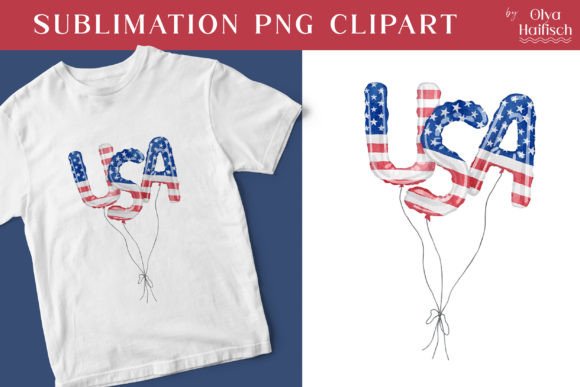
Watercolor 4th of July USA Sublimation Review
As a designer who has spent years digitizing and testing machine embroidery designs for commercial and personal use, I approach every new file with a healthy dose of skepticism. When evaluating the Watercolor 4th of July USA Sublimation asset, my first thought isn't just about how pretty it looks on screen; it is about how those soft, blended gradients will translate into physical thread or ink. This illustration category piece offers a distinct aesthetic that differs significantly from traditional blocky patriotic art. The mood is nostalgic, gentle, and vintage-inspired, moving away from bold primary colors toward a softer, hand-painted feel. For makers and Etsy sellers, this visual personality suggests a specific niche: heritage crafts, nursery decor, and boutique apparel rather than standard promotional gear.
Translating Digital Art to Physical Stitch
The immediate challenge and opportunity with this design lies in its watercolor nature. In digital illustrations, edges are soft and colors bleed naturally. In embroidery, we deal with discrete stitches and defined boundaries. If you intend to use this as a pure machine embroidery design, you must assess the stitch density carefully. A direct conversion of a watercolor image often results in excessive jump stitches or muddy color blending if not digitized specifically for fabric. However, if this file is intended as a sublimation transfer to be combined with embroidery, it becomes a powerhouse for mixed-media projects. The watercolor background can provide complex shading that would take thousands of extra stitches to replicate, allowing your satin stitch borders or running stitch details to pop against a rich, printed backdrop.
For those using this strictly as an embroidery file, look for fill stitches that utilize variegated threads or gradient techniques to mimic the painted effect. If the design relies on flat blocks of color, it may lose the "watercolor" charm once stitched. I always recommend checking whether the digitizer has used texture fills or directional stitching to maintain that artistic flow. Without these technical considerations, the design risks looking like a standard cartoon flag rather than the elegant illustration it appears to be in the preview.
Real-World Application: The Vintage Tote Bag Test
To truly judge the viability of Watercolor 4th of July USA Sublimation, I mentally placed it onto a natural canvas tote bag project intended for a summer boutique collection. Canvas is textured and absorbent, which can sometimes kill fine detail. In this scenario, the design’s softer edges actually work in our favor. Unlike crisp corporate logos that demand perfection, the watercolor aesthetic forgives minor registration shifts between thread colors or slight fabric grain variations.
I envision this design centered on an unbleached cotton tote, perhaps framed by simple embroidered wildflowers. The muted reds and blues of the watercolor style complement the raw canvas tone far better than neon-bright patriotic alternatives. For a small shop product, this creates a higher perceived value because it feels curated and artistic rather than mass-produced. Customers browsing craft fairs or online listings are often drawn to items that evoke emotion and craftsmanship. This design supports that narrative perfectly, making it ideal for personalized gifts or holiday embroidery collections where the recipient values sentiment over spectacle.
Fabric Compatibility and Stabilizer Strategy
While the aesthetic is versatile, the physical application requires careful fabric selection. Watercolor styles generally rely on color variation to define shapes. On dark fabrics, these subtle transitions can disappear unless there is a white underlay or base layer. If you are planning sweatshirt embroidery on navy or charcoal garments, verify that the design includes a white foundation stitch or plan to use a white sublimation transfer underneath. Without this contrast, the delicate blues and reds will sink into the dark fibers, resulting in a dull finished product.
Stabilizer choice is equally critical when working with Illustrations that have varying densities. Watercolor effects often mean areas of high stitch count adjacent to open spaces. On stretchy knits or lightweight baby clothes, this imbalance can cause puckering. I strongly advise using a cut-away stabilizer for any custom apparel application to support the design long-term. For tea towels or linen items, a medium-weight tear-away might suffice, but always test on scrap fabric first. The goal is to ensure the fabric texture doesn't distort the artwork. Remember that a hoop size that is too large for the design can also lead to shifting; match your hoop closely to the design dimensions to maintain tension and clarity.
Navigating Small Details and Text Legibility
One area where caution is necessary involves tiny lettering or intricate corners often found in patriotic themes. Watercolor edges are inherently fuzzy. If this design includes small text integrated into the painted elements, ensure it remains legible after stitching. Running stitch text smaller than 6mm often gets lost in the visual noise of a watercolor background. As a reviewer, I would suggest isolating any text elements or increasing their size if possible. If the design is being used for an embroidered patch, verify that the border definition is strong enough to prevent fraying and that the internal details won't blur when scaled down.
For baby embroidery projects, safety and comfort are paramount. Dense fill stitches used to create watercolor shading can become stiff and scratchy. Check the back of the sample stitch-out. If the design is overly dense, consider using it only on the outside of blankets or bibs, or opt for a version with reduced stitch density. Commercial embroidery demands durability; if the item will be washed frequently, ensure the thread colors are colorfast and the stabilizer prevents the design from pulling the fabric apart over time.
Commercial Viability for Makers and Sellers
From a business perspective, Watercolor 4th of July USA Sublimation offers excellent potential for differentiation. In a saturated market of generic flag designs, this artistic interpretation stands out. It bridges the gap between traditional holiday decor and modern farmhouse or cottagecore aesthetics. For Etsy sellers, this means your listings can target multiple keywords and customer avatars. It works equally well for a Fourth of July party outfit and a year-round Americana nursery theme.
However, professional presentation is key. When creating printable mockups or digital product previews, do not simply overlay the digital file. Show what the texture looks like. Buyers need to understand that this is an artistic interpretation, not a photograph. If you are selling the digital embroidery file itself, be transparent about the skill level required. Note whether it is suitable for beginners or if it requires advanced hooping and stabilizer knowledge. Building customer trust starts with accurate representation. A buyer who understands exactly what they are getting is less likely to leave negative feedback and more likely to return for future design assets.
Essential Pre-Stitch Checklist
Before committing this design to a final product or listing it in your shop, run through this practical evaluation list:
- Verify Licensing: Confirm whether the license allows for commercial use of finished products, digital resale, or both. Never assume permissions based on the visual style alone.
- Test Stitch Density: Run a sample on the exact fabric you intend to sell. Check for puckering, thread breaks, or excessive stiffness.
- Color Contrast Check: View the design in black and white to ensure the values read clearly without relying solely on hue differences.
- Hoop Size Confirmation: Ensure your machine’s maximum stitch area accommodates the design without resizing, which can alter stitch density and ruin the watercolor effect.
- Mockup Accuracy: Use realistic textures in your marketing materials so customers understand the handmade nature of the item.
- Wash Test: If selling apparel or linens, wash and dry the sample to check for shrinkage or thread distortion before mass production.
Ultimately, Watercolor 4th of July USA Sublimation is a beautiful asset for the discerning maker. It demands a bit more technical attention than standard designs due to its artistic complexity, but the payoff is a unique, high-value product that resonates with customers seeking quality and nostalgia. By respecting the interplay between digital art and physical thread, you can transform this illustration into a standout piece in your embroidery portfolio.