Elephant Clipart Watercolor Sublimation Review
As a designer who spends more time behind an embroidery machine than a computer screen, I approach digital assets with a healthy dose of skepticism. When I first opened the Elephant Clipart Watercolor Sublimation file, I wasn't looking for pretty pixels; I was looking for stitchability. Watercolor illustrations are notoriously tricky to translate into thread because they rely on soft gradients and transparency that needles simply cannot replicate. However, after reviewing this specific asset from the Illustrations category, I see genuine potential for makers who understand how to bridge the gap between digital art and textile reality.
First Impressions: Mood and Structural Integrity
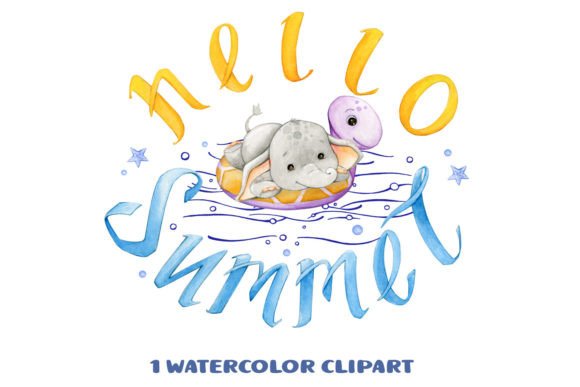
The immediate visual appeal of this elephant design is undeniable. It carries a soft, nursery-appropriate gentleness that clients currently love for baby showers and toddler apparel. The watercolor effect provides a dreamy, organic texture that feels high-end rather than cartoonish. From a design perspective, the silhouette is distinct, which is crucial. Many watercolor cliparts suffer from fuzzy edges that turn into muddy messes when digitized. This Elephant Clipart Watercolor Sublimation maintains enough contrast in its core shape to serve as a reliable guide for either direct embroidery digitizing or mixed-media projects.
For my fellow Etsy sellers and craft business owners, the mood here is versatile. It doesn't scream "cheap clipart." Instead, it offers a boutique aesthetic that could easily anchor a personalized gift line or a seasonal holiday embroidery collection. The artistic style suggests movement and softness, making it ideal for products meant to be touched and cherished, like blankets or keepsake pillows.
Real-World Application: The Custom Sweatshirt Test
To truly evaluate this asset, I mentally walked through a recent client request: a custom sweatshirt embroidery order for a new mom featuring her baby’s birth month flower alongside a gentle animal motif. This is where the rubber meets the road. If I were using this Elephant Clipart Watercolor Sublimation for that project, I would immediately assess the fabric interaction. Sweatshirt fleece has a textured surface that can swallow fine details.
In this scenario, I wouldn't attempt to recreate every watercolor brushstroke with thread. That leads to excessive stitch density and a stiff, bulletproof patch of embroidery that ruins the garment's drape. Instead, I view this illustration as a perfect candidate for an applique design or a sublimation-hybrid approach. The watercolor elephant serves as the base layer, perhaps printed via sublimation onto a polyester blend sweatshirt, with key outlines accentuated by a running stitch or light satin stitch in coordinating thread colors. This preserves the artistic integrity of the original illustration while ensuring the finished product remains soft and wearable.
Alternatively, for a tote bag design on cotton canvas, the texture of the fabric actually complements the watercolor aesthetic. Here, you could use fill stitches with varying densities to mimic the paint washes. The elephant’s shape is large enough to allow for these textural variations without losing definition, making it a strong contender for reusable shopping bags or market totes that need to withstand washing.
Navigating Technical Limitations and Fabric Choices
While the design is beautiful, practical judgment requires us to discuss where it might fail. Watercolor-style graphics demand careful handling regarding stabilizer and hoop size. If you are attempting to embroider this directly onto a stretchy jersey knit or a thin baby onesie, you must use adequate stabilization. The organic, flowing lines of the elephant can distort easily if the fabric shifts during stitching.
I would advise extreme caution when using this design on dark fabrics. Watercolor art relies on luminosity and transparency. Stitching light-colored threads over black or navy fabric often results in a chalky appearance that loses the original design's magic. Unless you plan to use a white underlay base—which adds significant stitch count and stiffness—this Elephant Clipart Watercolor Sublimation performs best on white, cream, or pastel backgrounds.
Furthermore, consider the scale. Detailed corners and tiny facial features in watercolor illustrations often get lost in small hoop sizes. If you are planning an embroidered patch or a left-chest logo placement, verify that the essential character of the elephant reads clearly at 3 inches or less. You may need to simplify the digital embroidery file, removing background splashes or subtle shading to maintain clarity. Always test on scrap fabric first; what looks crisp on a monitor can look cluttered in a 4x4 hoop.
Elevating Product Value and Customer Trust
Using high-quality illustrations like this correctly directly impacts buyer engagement and perceived value. In the saturated handmade market, customers can spot a poorly executed design instantly. A watercolor elephant that has been thoughtfully adapted for embroidery signals professionalism. It tells the buyer that you care about the intersection of art and craft.
For digital product sellers creating printable mockups or listing photos, this asset is equally valuable. A clean, high-resolution preview helps customers visualize the final outcome before they purchase your physical goods or digital embroidery files. Consistency in your design assets builds brand recognition. If your shop features this elephant on a nursery pillow, matching tea towels, and custom apparel, you create a cohesive collection that encourages multiple purchases.
Essential Designer Notes for Safe Execution
Before you load this file into your software or send it to production, run through this practical checklist. These steps save time, thread, and reputation:
- Verify Licensing: Confirm whether the Elephant Clipart Watercolor Sublimation allows for commercial embroidery use. Some licenses cover digital mockups but restrict selling finished stitched products or redistributing the digitized file.
- Check Thread Contrast: View the design in grayscale or simulate thread colors in your software. Ensure the elephant’s trunk and ears have sufficient separation so the anatomy reads clearly after stitching.
- Assess Stitch Density: If digitizing from scratch, avoid solid fills for the watercolor washes. Use programable fills or stippling to reduce bulk and maintain the airy feel of the original illustration.
- Test Wash Durability: Watercolor aesthetics can look tattered if threads fray. For items like kitchen towels or baby clothes that face frequent laundering, ensure your edge finishes are secure, possibly using a satin stitch border to contain fill areas.
- Mockup Reality Check: Don't rely solely on digital previews. Print a paper template at actual size and pin it to the intended garment. This reveals if the elephant’s proportions work with the specific cut of the sweatshirt or the curve of a cap.
Final Thoughts for Makers and Sellers
The Elephant Clipart Watercolor Sublimation is more than just a cute graphic; it is a test of your technical adaptation skills. When treated with respect for the medium, it yields stunning, emotive results that resonate with clients seeking warmth and whimsy. Whether you are crafting a personalized gift for a loved one or building a commercial embroidery line for your small shop, success lies in honoring both the art and the needle. Take the time to test, adjust, and refine, and this illustration will become a standout asset in your creative repertoire.