Houses in Autumn Watercolor Clip Art Review
As a professional embroidery designer and product reviewer, I approach every new digital asset with a specific question: will this actually stitch out beautifully on fabric? When evaluating Houses in Autumn Watercolor Clip Art, my focus shifts immediately from screen aesthetics to textile reality. While these illustrations are undeniably charming as digital assets, translating watercolor art into thread requires a critical eye for detail, density, and fabric compatibility. This review breaks down how this specific collection performs when moved from a digital folder to the embroidery hoop, specifically for makers and business owners who need reliable results.
First Impressions and Textile Translation
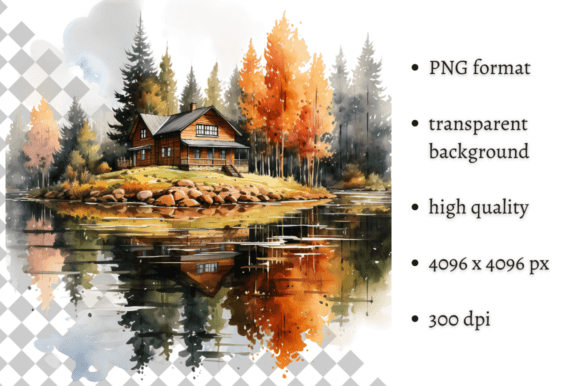
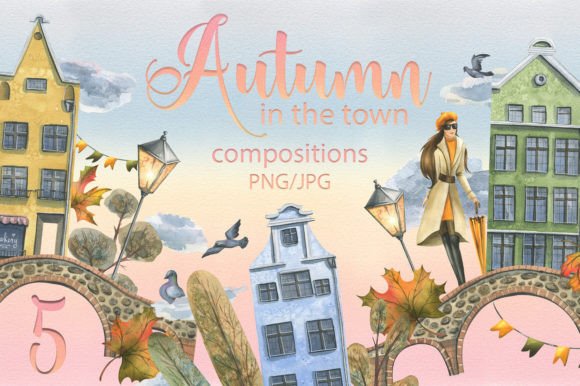
My initial assessment of Houses in Autumn Watercolor Clip Art is that it captures a nostalgic, cozy mood perfectly. The soft edges and blended colors typical of watercolor illustrations create a warm visual personality that feels organic rather than rigid. For an embroidery project, this is both a blessing and a challenge. Unlike vector art with hard lines, watercolor relies on gradients and transparency. As a machine embroidery design, this means the digitizer must have used complex fill stitches or shading techniques to mimic that painterly effect.
The layout of these houses suggests they are best suited for medium-to-large formats. The architectural details combined with autumnal foliage require enough space for the needle to render distinct color transitions. If the design feels too dense on screen, it risks becoming bulletproof on fabric. However, if the digitizing respects the watercolor aesthetic with varied stitch angles and appropriate underlay, the result can be a stunning, textured piece of art that elevates any handmade product above standard clip-art merchandise.
Real-World Application: The Custom Tote Bag Test
To truly judge the viability of this collection, I mentally applied it to a recent client request: a custom embroidered tote bag for a fall boutique launch. Tote bags are a staple for any Etsy seller or small shop product line, but canvas presents unique challenges. The fabric texture is coarse, which can swallow fine details.
In this scenario, Houses in Autumn Watercolor Clip Art would serve as the central focal point. Because tote bags lack the stretch of apparel, they are forgiving regarding stabilization. However, the watercolor effect requires high thread count to blend colors effectively. I envision using a tear-away stabilizer backed with a fusible mesh to prevent the canvas grain from distorting the image. The autumn palette—burnt oranges, deep reds, and muted browns—would pop beautifully against natural unbleached canvas. For a personalized gift or commercial embroidery run, this design offers high perceived value because it looks like a painted illustration rather than a cartoon. Customers associate this level of artistic detail with premium quality, justifying a higher price point for finished goods.
Apparel Considerations for Sweatshirts and Baby Items
Moving from sturdy canvas to apparel changes the variables entirely. If you plan to use this embroidery file for sweatshirt embroidery or baby clothes, caution is necessary. Sweatshirts often have a fleece interior and a knit face that stretches. Watercolor designs tend to be denser than simple line art due to the shading requirements. A large, dense patch of stitching on a lightweight sweatshirt can cause puckering or make the garment hang stiffly.
For baby embroidery, safety and comfort are paramount. The intricate details of Houses in Autumn Watercolor Clip Art might be too scratchy against sensitive skin if the stitch density is too high. In these cases, I recommend testing the design on a scrap of similar fabric first. You may need to edit the embroidery file to reduce density or convert certain shaded areas to running stitch accents to maintain softness. Always verify that the design scales down appropriately; shrinking a complex watercolor house too much will result in lost definition and thread breaks.
Navigating Fabric Limitations and Hoop Sizes
Not every surface is a suitable canvas for watercolor-style embroidery. Through years of testing, I have found that highly textured fabrics like terry cloth or thick wool can obscure the subtle color blending that defines this art style. Similarly, dark fabrics pose a risk. Watercolor clip art is typically designed with light backgrounds in mind. Unless the embroidery file includes a white underlay base or was specifically digitized for dark garments, the autumn colors may look muddy or disappear entirely against navy or black fabric.
Hoop size is another critical constraint. These illustrations likely require a larger field to maintain clarity. Attempting to squeeze Houses in Autumn Watercolor Clip Art into a 4x4 hoop may force you to sacrifice essential details like window panes or leaf textures. Before purchasing or stitching, confirm the exact dimensions. If your machine only supports smaller hoops, look for individual elements within the set rather than full scenes. Curved surfaces like caps are generally ill-advised for this type of design; the distortion required to stitch on a curved brim will warp the perspective of the houses and ruin the watercolor illusion.
Professional Designer Notes for Makers
For creative entrepreneurs and hobbyists aiming for professional results, preparation is non-negotiable. Here are my practical recommendations for working with this collection:
- Test Stitch Always: Never run a production batch without a sew-out on the exact fabric you intend to sell. Check for registration issues where color blocks meet.
- Evaluate Stabilizer Pairings: Watercolor effects often require stable foundations. Use cut-away stabilizers for knits and stretchy fabrics to prevent distortion over time. For woven items like tea towels or pillow covers, a medium-weight tear-away may suffice.
- Thread Color Verification: Digital screens lie. Print out a thread chart or compare physical spools to the design preview. Autumn tones can vary wildly between brands. Ensure your thread colors match the intended warmth of the original illustration.
- Check Licensing Terms: Before listing any finished product or digital embroidery file on Etsy or your own site, review the license. Confirm whether commercial use allows for physical products, digital resale, or printable mockups. Protecting your craft business starts with respecting intellectual property.
- Mockup Strategy: Use realistic, textured mockups rather than flat digital previews. Seeing Houses in Autumn Watercolor Clip Art superimposed on a photo of actual linen or denim helps customers understand the tactile nature of the final embroidered patch or apparel item.
Enhancing Brand Value and Customer Trust
Ultimately, the decision to use Houses in Autumn Watercolor Clip Art should align with your brand identity. This collection speaks to buyers who appreciate cottagecore aesthetics, seasonal decor, and artisanal craftsmanship. When executed correctly, it signals to your audience that you care about artistic integrity, not just fast production.
High-quality embroidery builds trust. When a customer receives a holiday gift or nursery decor item where the stitching is smooth, the colors are vibrant, and the design is centered perfectly, they recognize the effort. Conversely, poor execution of complex art damages reputation. By treating this clip art as a raw material that requires skilled adaptation rather than a plug-and-play solution, you ensure your finished products stand out in a crowded marketplace. Whether you are creating custom apparel for a local event or stocking your online shop for the fall season, let practical judgment guide your needle. The beauty of watercolor lies in its fluidity; successful embroidery honors that fluidity through technical precision and thoughtful material selection.