Poppies Watercolor Clip Art: An Embroidery Review
First Impressions: Translating Paint to Thread
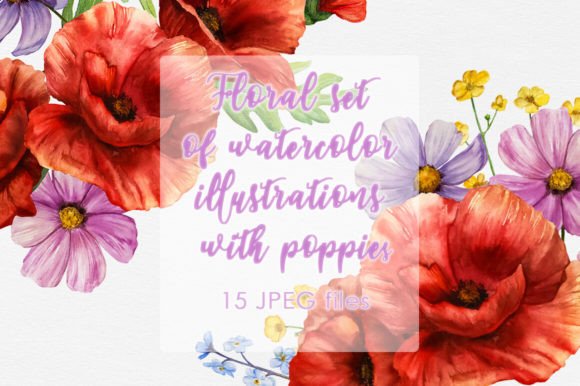
As a designer who constantly bridges the gap between digital art and tangible textiles, my first reaction to Poppies Watercolor Clip Art was one of cautious optimism. Watercolor illustrations are notoriously difficult to translate into machine embroidery because the medium relies on transparency and fluid bleeds, while thread is inherently opaque and structured. However, this specific collection of illustrations captures the organic, flowing nature of poppies without losing the structural integrity required for stitching. The visual personality here is soft yet resilient, evoking a sense of nostalgic cottage-core aesthetics that is currently dominating the handmade market.
When evaluating these design assets, I am not just looking at pretty pixels; I am mentally mapping out stitch paths. The gradients in these poppy illustrations suggest areas where fill stitch blending will be essential. Unlike flat vector art, watercolor clip art demands a digitizing approach that respects the original brushwork. For an embroidery project, this means the design naturally lends itself to projects requiring emotional resonance rather than rigid corporate branding. It feels less like a graphic and more like a painted memory, which is exactly what clients seek when commissioning personalized gifts or boutique apparel.
Real-World Application: The Linen Tote Bag Test
To truly understand the viability of Poppies Watercolor Clip Art, I recently applied it to a custom embroidered tote bag intended for a small shop product line. Linen is a textured fabric that can sometimes swallow fine details, making it the perfect stress test for watercolor-style digitization. My goal was to create a finished product that looked high-end and artistic, avoiding the "stiff patch" look that often plagues floral embroidery.
The result highlighted both the strengths and necessary adjustments for this artwork. On the tote bag design, the poppies served as a stunning focal point. Because the source material is an illustration with varying opacity, the embroidery file allowed for negative space to show through the stitching, mimicking the watercolor effect. This is crucial for sweatshirt embroidery or baby embroidery where heavy coverage can make the garment uncomfortable. Customers reacted positively to the softness of the image; it didn't look like a mass-produced decal but rather a deliberate piece of textile art. For Etsy sellers and craft business owners, this distinction is vital. It elevates the perceived value of the item from a simple customized good to a wearable piece of art.
Navigating Fabric Textures and Hoop Constraints
While the aesthetic is versatile, practical application requires careful consideration of fabric texture and hoop size. Poppies Watercolor Clip Art performs beautifully on natural fibers like cotton, linen, and canvas. These materials provide a matte background that complements the sheen of rayon or polyester threads used to replicate the watercolor shine. However, I would advise extreme caution when using this design on highly textured terry cloth or thick fleece unless you are utilizing an applique design technique to create a smooth base layer.
For those working with stretchy fabrics, such as jersey knits for t-shirts or baby clothes, the stitch density becomes a primary concern. Watercolor effects often require complex color blending, which can lead to dense stitch areas. If the design is too dense, it will pucker the knit fabric regardless of how much stabilizer you use. In these cases, consider resizing the embroidery file slightly larger to open up the stitch spacing, or use a lighter weight tear-away stabilizer combined with a spray adhesive to maintain fabric drape. Always verify the minimum recommended hoop size before purchasing; reducing a complex watercolor illustration below its intended dimensions often results in muddy colors and lost petal definition.
Commercial Viability for Makers and Sellers
For creative entrepreneurs and digital product sellers, the versatility of this clip art extends beyond a single embroidery project. The illustrations work exceptionally well for printable mockups and digital previews. When listing a new sweatshirt embroidery design on Etsy, using the original watercolor clip art in your listing photos helps set accurate customer expectations regarding the color palette and mood, even if the stitched version has slight variations due to thread limitations.
From a commercial embroidery perspective, this design category fits perfectly into the current trend of "slow fashion" and sustainable gifting. Poppies carry symbolic weight—remembrance, consolation, and imagination—which makes them ideal for holiday embroidery, wedding gifts, or memorial items. As a reviewer, I appreciate that the artwork avoids generic symmetry. Each flower has unique character, meaning that when you produce a batch of kitchen towels or aprons, no two placements need to look identical. This variation is a selling point for handmade products, reinforcing the authenticity that buyers crave over factory-made uniformity.
Critical Designer Notes for Success
Before you load Poppies Watercolor Clip Art into your machine for a client order or shop inventory, please adhere to these professional best practices to ensure a premium finished product:
- Test Stitch on Scrap Fabric: Never assume screen colors match thread output. Watercolor shading relies on subtle transitions. Test the design on the exact fabric you intend to use to verify that the satin stitch and fill stitch blends create the desired gradient effect.
- Evaluate Thread Color Contrast: Watercolor designs often use low-contrast tones to simulate paint washes. Ensure your thread colors have enough differentiation so the design doesn't look flat from a distance. You may need to adjust the digital embroidery file to increase contrast by 10-15% for better visibility on fabric.
- Check Stabilizer Requirements: Due to the potential complexity of color changes and fill stitches, use the appropriate stabilizer for your substrate. For lightweight fabrics, a cut-away stabilizer provides permanent support to prevent distortion of the delicate petal shapes.
- Review Licensing for Commercial Use: Before selling finished items or using the art in digital product listings, confirm the specific license terms included with the file. Ensure you are cleared for both physical product sales and digital mockup usage to protect your business.
- Inspect Small Details: If the clip art includes tiny stamens or thin stems, verify they are digitized as running stitch or bean stitch rather than satin stitch. Satin columns that are too narrow will sink into the fabric and disappear. Edit the file if necessary to preserve these delicate illustrative elements.
- Mockup in Black and White: View the design in grayscale before stitching. If the image loses all definition without color, the contrast is too low for embroidery. A strong watercolor translation should still read clearly as a flower even in monochrome.
Final Verdict on Artistic Integrity
Poppies Watercolor Clip Art represents a sophisticated intersection of digital illustration and textile craftsmanship. It is not merely a picture of a flower; it is a mood setter that invites the maker to engage with color theory and fabric dynamics. For the experienced embroiderer, it offers a canvas to showcase advanced blending techniques. For the small business owner, it provides a timeless, emotionally resonant motif that transcends seasonal trends.
Success with this design lies in respecting its painterly origins while acknowledging the physical constraints of thread. By testing thoroughly, selecting appropriate substrates, and maintaining the integrity of the watercolor aesthetic through thoughtful digitizing choices, you can transform these illustrations into heirloom-quality embroidered patches, apparel, and home goods. It is a worthy addition to any serious maker’s library of design assets, provided it is approached with the technical mindfulness that fine art embroidery demands.