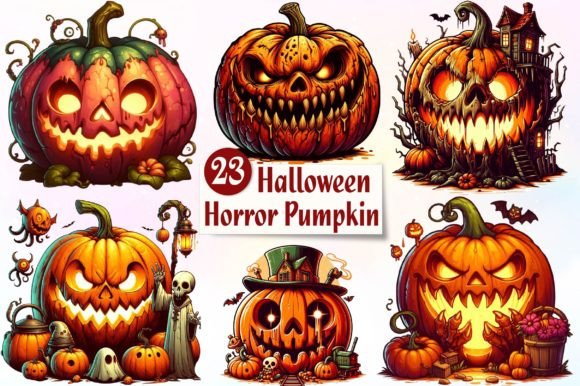
Watercolor Horror Pumpkin Clipart: An Embroidery Review
First Impressions: Translating Digital Art to Thread
When I first opened the Watercolor Horror Pumpkin Clipart file, my immediate thought was not about how cute it looked on screen, but how those soft, bleeding edges would translate into a machine embroidery design. As designers and makers, we know that digital illustrations and stitched reality are two different languages. This particular asset sits in the Illustrations category, offering a moody, artistic aesthetic that bridges the gap between traditional autumn decor and modern alternative style. The visual personality is distinct; it avoids the cartoonish brightness of standard Halloween clipart in favor of a textured, painterly depth that suggests high-end boutique merchandise rather than mass-produced seasonal goods.
For an experienced embroiderer, the appeal lies in the challenge and the reward. Watercolor styles rely on color blending and transparency, which requires strategic digitizing. If you are planning to use this for a custom apparel line or a personalized gift, you must evaluate whether your current library includes a properly digitized version of this art, or if you will be tracing it yourself. The organic shapes of the pumpkin and the subtle horror elements demand a digitizer who understands variable stitch density to mimic brushstrokes without creating a bulletproof patch of thread.
Real-World Application: The Autumn Tote Bag Test
To truly judge the viability of Watercolor Horror Pumpkin Clipart, I mentally placed it on a natural canvas tote bag intended for a fall market launch. Tote bags are a staple Etsy seller product, but they can look generic without strong artwork. In this scenario, the watercolor horror theme elevates the item from a simple grocery sack to a statement accessory. The muted tones and eerie details appeal to customers looking for "cottagecore" or "goth cottage" aesthetics, which currently drive significant engagement in the handmade community.
However, stitching this on canvas requires specific adjustments. Canvas has a pronounced weave that can eat up fine details. When adapting this illustration for a tote bag design, I would prioritize a heavier fill stitch with a longer stitch length to allow the fabric texture to show through slightly, enhancing the watercolor illusion. A tight, dense satin stitch border might look too harsh against the soft interior shading. Instead, using a raw-edge applique design technique for the main pumpkin body could save thousands of stitches while adding a tactile, mixed-media quality that buyers love. This approach respects the source material’s artistic intent while ensuring the finished product remains durable and washable.
Fabric Compatibility and Technical Constraints
Not every substrate is friendly to watercolor-style embroidery. While Watercolor Horror Pumpkin Clipart shines on stable, matte fabrics like cotton twill, denim, or linen, it presents risks on other materials. Here is where caution is necessary:
- Stretchy Fabrics: On sweatshirts or t-shirts, the complex color changes required for a watercolor effect can cause puckering if the stabilizer choice is inadequate. You must use a high-quality cut-away stabilizer and potentially a topping to prevent stitches from sinking into knit loops.
- Dark Fabrics: Watercolor relies on light passing through layers of color. On black or navy garments, the design may lose its ethereal quality unless you stitch a solid white underlay base first. Always test thread colors against dark backgrounds before committing to a full production run.
- Curved Surfaces: Avoid placing detailed sections of this illustration near the seams of caps or curved bags. The distortion inherent in hooping curved items can warp the delicate proportions of the horror elements, making them look unintentional rather than artistic.
- Baby Items: If adapting this for baby embroidery, ensure the "horror" aspect is age-appropriate and the stitch texture is smooth. High-density watercolor simulations can be abrasive against sensitive skin. Consider reducing density or using softer rayon threads.
Understanding these limitations prevents wasted materials and ensures your commercial embroidery projects maintain professional standards.
Commercial Value and Brand Consistency
For small shop product owners and creative entrepreneurs, consistency builds trust. Using Watercolor Horror Pumpkin Clipart effectively means integrating it into a cohesive collection. Does the color palette match your existing autumn inventory? Does the level of detail align with your brand's perceived value? A highly detailed, artistic pumpkin design signals premium pricing, whereas a simplified, flat version might suggest budget-friendly goods. Aligning the digitization complexity with your target price point is crucial for profitability.
Furthermore, consider the versatility of the asset. Can elements of the illustration be separated? Perhaps the pumpkin works as a standalone embroidered patch, while the background splatters serve as decorative accents on kitchen towels or pillow covers. Maximizing the utility of a single digital purchase improves ROI for your craft business. When listing these items online, use accurate printable mockups that reflect the true texture of embroidery. Customers appreciate seeing how the watercolor effect translates to thread, which reduces return rates and increases buyer confidence.
Designer Notes: Pre-Stitch Checklist
Before you hoop your first piece of good fabric, run through this practical evaluation list. These steps separate hobbyist attempts from professional results when working with complex illustrations like Watercolor Horror Pumpkin Clipart:
- Verify Licensing: Confirm whether your license allows for commercial sale of finished embroidered products versus just personal use. Never assume; always check the specific terms provided with the digital file.
- Audit Stitch Density: Open the embroidery file in your software. Check for areas where multiple color layers overlap excessively. Redistribute density or add pull compensation to prevent needle breaks and fabric damage.
- Test on Scrap Fabric: Use the exact fabric and stabilizer combination intended for the final project. Evaluate the registration of small details and the overall drape of the stitched area.
- Check Hoop Size Requirements: Ensure the design fits comfortably within your machine’s maximum field without requiring excessive re-hooping or splitting, which can ruin the seamless watercolor look.
- Thread Color Validation: Compare physical thread spools to the digital color chart. Screen colors often differ from polyester or rayon realities. Create a custom color worksheet for repeatable production.
- Mockup Testing: Place the design in black and white and color mockups to assess contrast. Ensure the horror elements remain visible and legible at various sizes.
Taking these precautions ensures that your interpretation of Watercolor Horror Pumpkin Clipart honors the original artistry while delivering a tangible product that customers cherish. Whether you are creating a unique holiday gift or stocking your Etsy shop for the spooky season, thoughtful execution is what transforms a digital download into a beloved handmade treasure. Remember, the goal is not just to replicate an image, but to create a textile experience that captures the mood and magic of the season through the medium of thread.