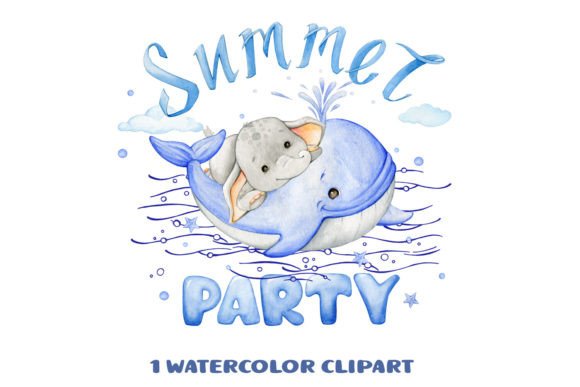
Elephant Whale Watercolor Clipart for Embroidery
As a professional embroidery designer and product reviewer, I approach every new graphic asset with a specific question: will this actually translate to thread? When evaluating the Elephant Whale Watercolor Clipart PNG for real-world production, my focus shifts immediately from screen aesthetics to stitch mechanics. This illustration category offers a distinct whimsical charm that is currently trending in the handmade market, but translating watercolor gradients into a machine embroidery design requires careful technical consideration. The soft edges and blended tones of this digital art style are beautiful on a monitor, yet they present unique challenges and opportunities when converted into satin stitch, fill stitch, or applique design formats for commercial and personal projects.
First Impressions and Design Personality
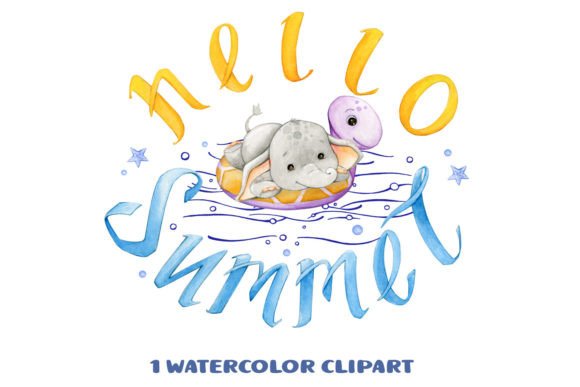
Upon opening the Elephant Whale Watercolor Clipart PNG, the immediate mood is gentle, nostalgic, and nursery-appropriate. The visual personality leans heavily toward organic softness rather than rigid lines, which is excellent for baby embroidery and personalized gift markets. For an Etsy seller or small shop product line, this aesthetic signals safety and comfort to buyers. However, as a designer, I notice that watercolor clipart often lacks the high-contrast boundaries required for clean digitizing. The shape is fluid, which means if you are using this as a base for a custom apparel piece or an embroidered patch, you must decide whether to preserve the soft edge through complex shading stitches or define it with a running stitch outline to prevent the design from looking muddy on fabric.
The layout of the elephant and whale motif suggests a horizontal orientation, making it naturally suited for tote bag design placement across the center chest of sweatshirt embroidery, or spanning the width of a kitchen towel. It does not feel like a vertical badge design; instead, it breathes horizontally. This spatial awareness is critical before you even load the embroidery file into your software. If you attempt to force this wide, gentle composition into a tall, narrow hoop size without adjusting the proportions, you risk distorting the animals' features and losing the recognizable charm that makes the design sellable.
Real-World Application: The Custom Nursery Pillow Project
To truly test the viability of this asset, I recently evaluated it for a custom nursery pillow cover project intended as a high-end holiday gift. The goal was to create a keepsake item that felt handmade yet professional. Using the Elephant Whale Watercolor Clipart PNG as the foundation, I had to determine if the watercolor effect could be replicated without excessive stitch density that would pucker the linen fabric.
In this scenario, the design performed best when treated as a hybrid applique design rather than a full-stitch reproduction of the watercolor painting. By using a neutral fabric for the elephant and whale shapes and applying the watercolor color palette strictly through thread colors in light fill stitch areas, the finished product retained the artistic integrity of the original illustration while remaining durable. Customers reacting to this type of handmade product often look for that "painted" look, but they also demand washability. A fully stitched watercolor simulation can become stiff and bulletproof; by adapting the clipart into a mixed-media embroidery project, the pillow remained soft to the touch. This balance is what separates a hobbyist attempt from a boutique-quality commercial embroidery offering that builds customer trust and brand consistency.
Technical Considerations for Stitch Translation
When integrating Elephant Whale Watercolor Clipart PNG into your workflow, you must be vigilant about fabric texture and stabilizer choices. Watercolor designs rely on subtle color transitions. On a smooth cotton poplin or quilting fabric, these transitions read clearly. However, on textured fabrics like canvas tote bags or ribbed knit sweatshirts, the fine details of the watercolor effect can get lost in the weave. I strongly advise testing the design on scrap fabric first. If you are working with stretchy fabric for baby clothes or custom apparel, the lack of defined borders in watercolor art can lead to registration issues where the fabric pushes out during stitching, causing gaps between color blocks.
Furthermore, consider the implications of dark versus light backgrounds. Watercolor clipart is typically designed for white or transparent backgrounds. If you plan to use this for dark fabric applications, you cannot simply change the thread colors. You may need to add a white underlay or knockdown stitch to make the pastel watercolor tones visible, which significantly increases stitch count and density. Always check whether your embroidery file has been optimized for this, or be prepared to edit the digital embroidery file yourself. For craft business owners selling printable mockups alongside physical goods, ensure your digital previews accurately represent how the thread sheen will interact with the matte watercolor aesthetic, as this manages buyer expectations and reduces returns.
Strategic Placement and Usage Warnings
While versatile, the Elephant Whale Watercolor Clipart PNG requires strategic placement. Avoid using this design on curved surfaces like caps unless you have significantly simplified the artwork. The wide, panoramic nature of the elephant-whale pairing fights against the curvature of a hat brim, leading to distortion at the edges. Similarly, be cautious with tiny lettering integrated into watercolor styles; the soft background can make small text illegible once stitched. If adding names for a personalized gift, place the text in negative space or below the main motif rather than overlaying it on busy watercolor gradients.
For items requiring frequent washing, such as tea towels, aprons, or baby bibs, verify the stitch density. Watercolor simulations often use high-density tatami fills to blend colors. Over time, aggressive laundering can cause these dense areas to fray or pull at the fabric. In these cases, consider reducing the density or converting the interior details to running stitch accents. This maintains the visual appeal while ensuring the longevity of the finished product. Small business merchandise meant for daily wear should prioritize durability over pixel-perfect replication of the digital art.
Designer Notes for Commercial Success
Before listing any item featuring this design on Etsy or your own website, confirm all licensing terms. Just because you purchased the Elephant Whale Watercolor Clipart PNG does not automatically grant rights for unlimited commercial embroidery or digital resale. Verify if the license covers finished physical products versus digital embroidery files, as these are often separate tiers for creative entrepreneurs.
- Test Contrast: Print the design in black and white before stitching. If the elephant and whale blend together in grayscale, they will likely lack definition in thread. Adjust contrast in your digitizing software.
- Stabilizer Matching: Use cut-away stabilizer for stretchy knits to support the weight of watercolor fill stitches; tear-away is rarely sufficient for this art style on apparel.
- Hoop Size Verification: Do not resize watercolor-based embroidery designs beyond 10-15% of their original digitized size. Significant resizing destroys the gradient alignment essential to the watercolor look.
- Mockup Accuracy: When creating printable mockup assets for your shop, use textures that mimic thread sheen. Flat digital renders mislead customers about the tactile nature of the embroidery project.
- Detail Inspection: Zoom in to 100% on your screen to check for stray pixels or anti-aliasing artifacts in the PNG that might auto-digitize into unnecessary jump stitches or messy satin stitch borders.
Ultimately, the Elephant Whale Watercolor Clipart PNG is a valuable asset for makers who understand the translation gap between screen and stitch. It excels in nursery decor, holiday embroidery, and sentimental gifts where emotion drives value. By approaching this illustration with technical discipline—respecting fabric limitations, managing density, and honoring the medium of thread—you can elevate this digital download into a premium handmade product that stands out in a saturated market. Whether you are an experienced apparel decorator or a new Etsy seller, success lies in treating the clipart not just as a picture, but as a blueprint for textile art.